jewish burial customs embalming
In these cases all required because of health regulations Jewish law permits certain forms of embalming. Ideally the placement of the casket in the ground should happen within 24 hours after death.
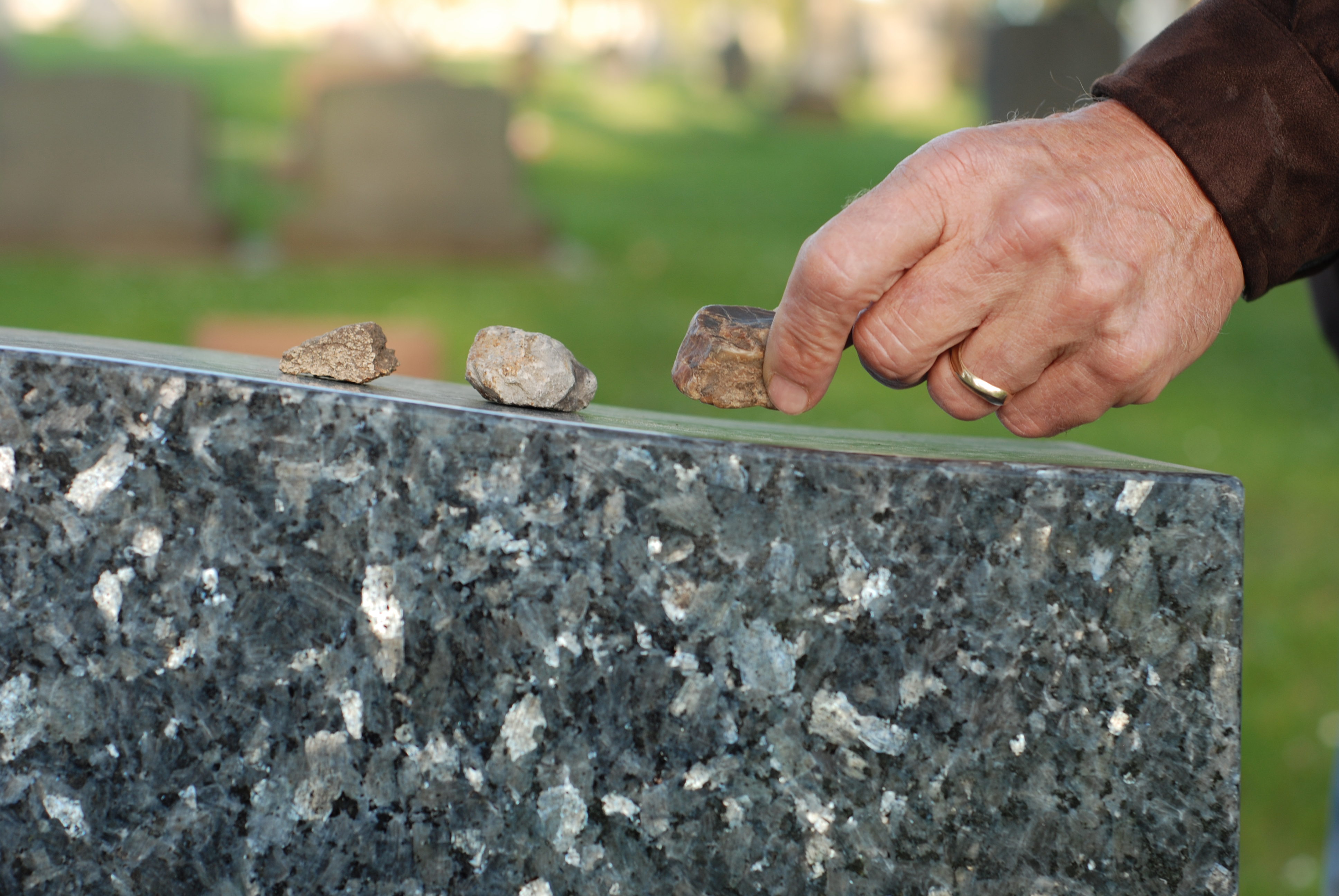
Jewish Funeral Etiquette For Non Jewish People Gutterman S Jewish Funeral Homes New York Fl
A Jewish memorial service is a funeral for a Jewish person that follows specific religious practices.

. The range of Jewish customs on this point is very broad now and in some Jewish communities especially in North America there are no. When a lengthy delay in the funeral service becomes mandatory. According to the Torah a Jewish funeral should occur within 24 hours of the death as a sign of respect for the deceased.
Jewish tradition teaches that human beings are created in the image of God Genesis 126. When governmental authority demands it. Where a grave is opened or disturbed by the elements desecration or other causes customs impose the immediate re-burial of the remains.
In line with Jewish law the body is washed Tahara but not embalmed before being dressed in a plain burial shroud. Islam and Judaism forbid embalming and routine autopsies as desecration of the dead. The traditions rituals and customs for Jewish burials provide that the body is buried in a plain and unordained wooden casket.
Jewish law prohibits embalming a person even when embalming is specifically requested in a will. This is overseen by a group of Jewish men and women known as the Chevra Kadisha who remain with the body until burial to ensure it is protected and prepared according to Jewish funeral traditions. Watchers Chevra Kadisha remain with the body around-the-clock until the funeral.
However Jewish burials may be delayed while arrangements are being made. According to one kabbalistic source burial refreshes the soul of the deceased and only after burial will it be admitted to Gods presence Midrash ha-Nelam to Ruth. As such no embalming is allowed and the funeral is typically closed casket.
According to Jewish law the body is washed and not embalmed. Ideally the body is to be buried on the same day of the death. A Jewish funeral can take place at a synagogue a funeral home or a gravesite and will usually last between 15 to 60 minutes.
According to traditional practices the funeral is usually held in a synagogue or funeral home the day after the death. Ared according to Jewish law. Muslims are strictly forbidden from cremating the dead while Jewish rules on cremation vary.
Normally the earth over a Jews grave should not be disturbed and disinterment is forbidden. Jewish custom insists on prompt burial as a matter of respect for the dead a consideration of particular relevance in hot climates. Typically it takes place in a synagogue funeral home or graveside.
Embalming is the artificial treatment of a corpse to prevent or delay its putrefaction. The burial is an important part of Jewish funeral customs. Burial is considered the best way to allow the body to decompose naturally.
The casket is usually closed and the funeral service conducted. By the time of Christ the custom was that the body was elaborately wrapped in a shroud and the face was covered with a special cloth called a sudarium. Its essential that the burial take place as soon after death as.
The Jewish funeral consists of a burial also known as an interment. Abraham Sarah Isaac Jacob and others were buried in the cave of Machpelah near Hebron. This concept extends both to the deceased and the mourners.
Each community has their own customs in regard to funeral practices. A Jew should be buried only among fellow Jews in a Jewish cemetery. When burial is to take place overseas.
Here are a few common Jewish burial customs and Jewish death rituals. In fact after Jesus died a man named Joseph of Arimathea according to the Bible writer Johns gospel account requested permission to prepare Jesus body just the way the Jews have the custom of preparing for burial using myrrh aloes spices and linen bandaging. There are also strong Jewish beliefs around cremation namely that cremation isnt allowed.
Some customs are dictated by tradition. For Orthodox Jews cremation is prohibited and the body should be buried intact in the ground. Once this was done relatives and friends could come to the home to say goodbye to the deceased for the last time.
Modern practices allow a bit more flexibility with many families scheduling burial at the earliest convenience. Conservative Judaism also does not recognise cremation so a rabbi may perform the funeral but forego the usual burial rights. This is the underpinning of all of the rituals and customs that make up a Jewish funeral.
There are however several exceptions to the general prohibition of embalming. Every possible effort should be made that this indeed be the case. By prohibiting embalming and unnecessary delay in burial Jewish tradition draws a very distinct line between respect for the dead and worship of the dead.
When therefore in 1772 the Mecklenburg government in prohibiting such burials and insisting that three days should intervene between death and interment provoked great opposition on the part of the rabbis who considered it an infringement upon Jewish law and custom Moses Mendelssohn who was asked to intercede justified the governmental measure declaring the. Displaying of the body prior to burial does not take place. It is traditional Jewish practice to perform a ritual washing of the body Tahara and then to dress it in a plain burial shroud.
Its important to note that cremation is generally not a part of the Jewish tradition and that embalming is. Burial is considered to allow the body to decompose naturally therefore embalming is forbidden. However there are exceptions to this timeframe.
However both religions consider organ donation as permissible. The hands and feet were tied with strips of cloth. In ancient Egypt the technique consisted according to Herodotus of using an iron hook to draw out the brain through the nostrils and then making a cut along the flank to remove the abdominal contents which were washed and soaked in palm wine and infusions of spices and then.
Jewish tradition regards it as a matter of great importance that only fellow Jews should handle the body of a deceased Jew carry or wheel the casket place the casket in the earth and fill in the grave. When it comes to cremation the different movements of Judaism differ in their laws. One important responsibility is washing and dressing the body and protecting it until the funeral takes place.
The burial can take place on any day other than holidays and the Sabbath. Many Jewish families buried their dead in caves and tombs carved out of the soft rock common in many parts of Israel. In so doing they followed the pattern set by the patriarchs.
Burial is intended to take place in as short an interval of time after death as possible.

Funeral Customs Black S Funeral Home Thurmont Md Funeral Home And Cremation
Why Don T Jews Have Open Casket Funerals Death Mourning

Jewish Mourning Faq My Jewish Learning
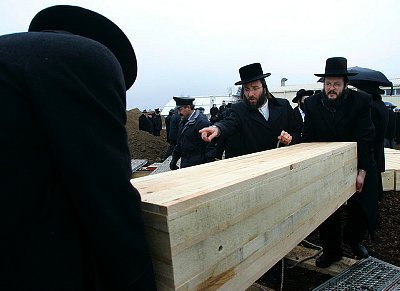
Closed Caskets At Jewish Funerals Jewishboston
Jewish Mourning Faq My Jewish Learning

Jewish Burial Customs Get Your Complimentary Funeral Cover Quote

How To Plan A Jewish Funeral Everything You Need To Know In 7 Steps Everplans

Chevra Kadisha Ensures Jewish Burials Follow Rituals Traditions Community Review
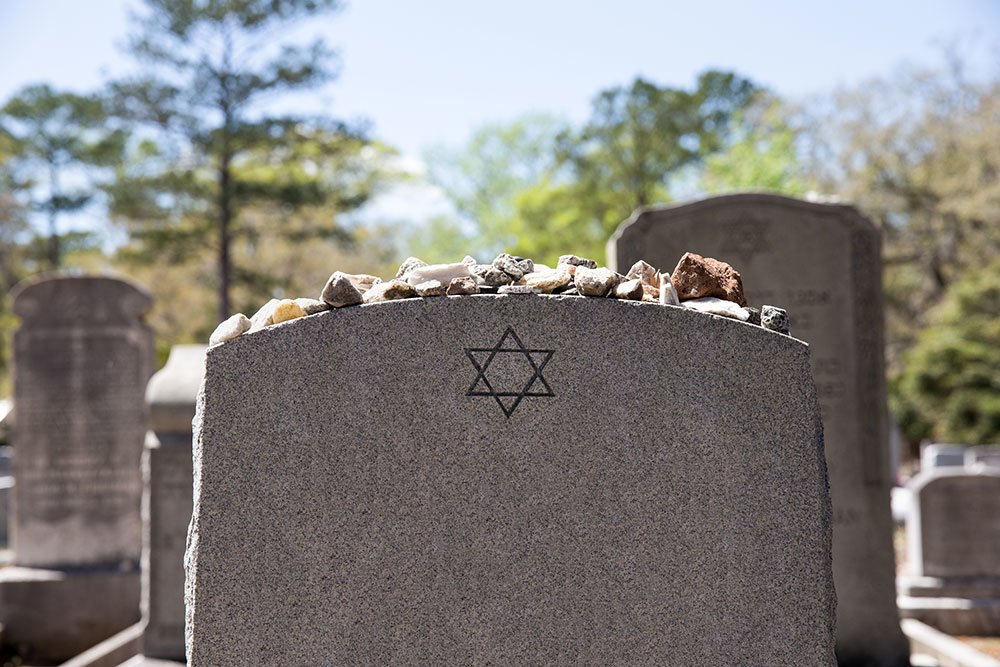
Jewish Burial Customs Welcome To Willowbrook Cemetery Located In
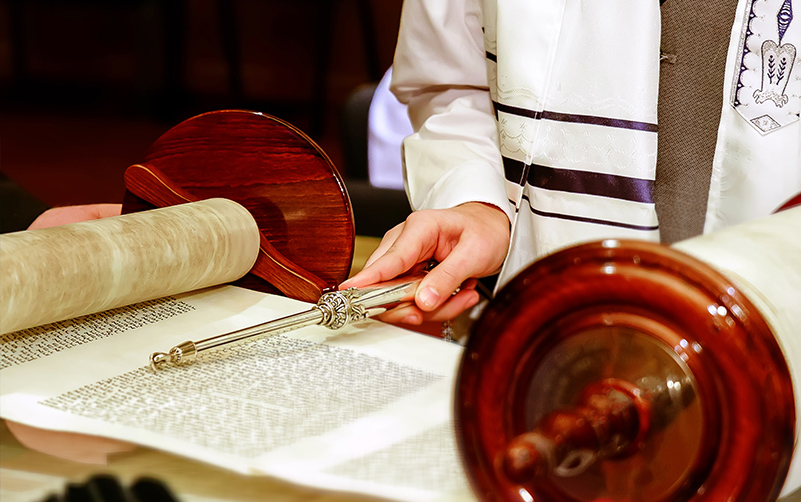
Jewish Funeral Customs Funeral Partners
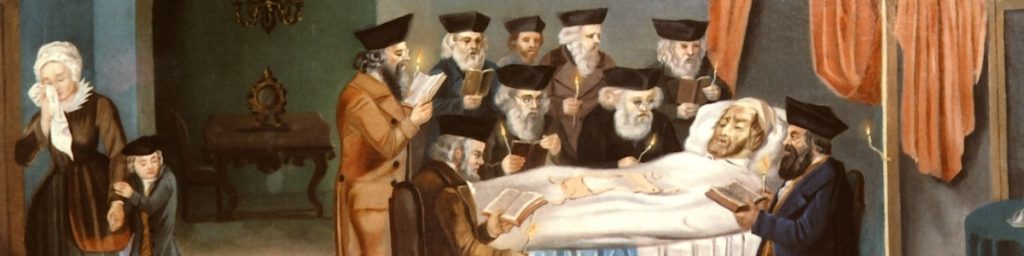
Jewish Traditions For Death Burial And Mourning Rohatyn Jewish Heritage
Jewish Burial Customs

Tahara Supplies For The Chevra Kadisha Jewish Funerals Burial And Mourning

Complete Guide To Jewish Orthodox Burial Rituals And Caskets Trusted Caskets
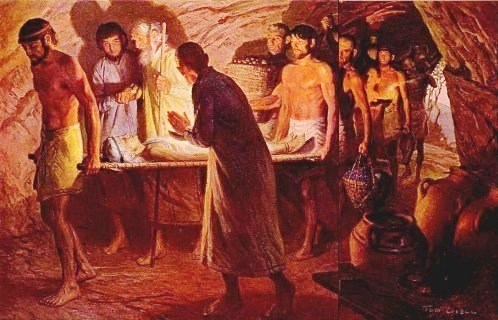
Ancient Tombs Burial Customs What Archaeology Shows

Jewish Burial Practices February 6 2004 Religion Ethics Newsweekly Pbs
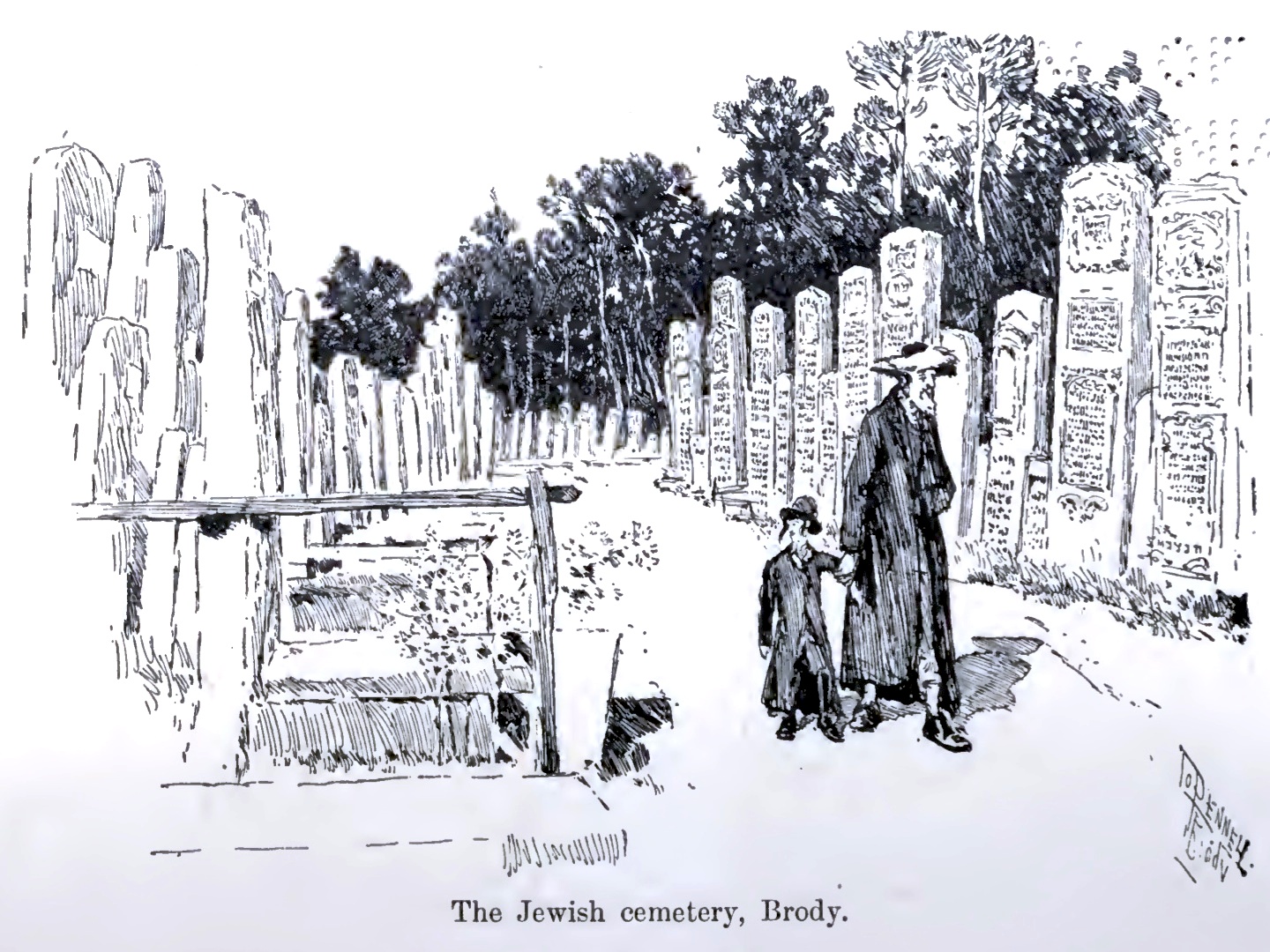
Jewish Traditions For Death Burial And Mourning Rohatyn Jewish Heritage

Jewish Mourning Faq My Jewish Learning
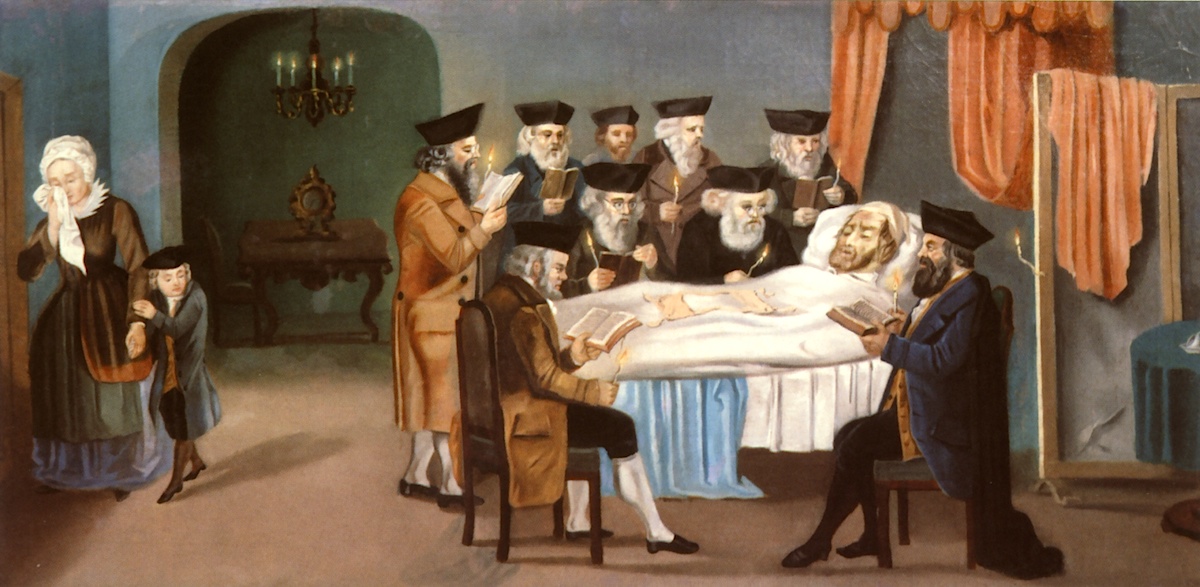
Jewish Traditions For Death Burial And Mourning Rohatyn Jewish Heritage